Recently, artificial intelligence (AI) has become more available, providing numerous free tools that cater to a variety of needs. These tools enhance creativity in writing and design while also making everyday tasks easier. Whether you are a student, developer, or businessperson, AI tools offer assistance. This article showcases some of the top free AI tools, highlighting their features and the benefits they bring without any cost. Let’s explore the options!
What are the best free AI tools?
When looking for the best free AI tools, individuals should consider factors such as ease of use, available features, and specific applications that meet their needs. Popular free AI options like chatbots and transcription software excel in enhancing productivity, providing solutions that improve communication and project management.
For example, an AI tool can boost content creation through features like sentiment analysis or supporting various language combinations. In translation, tools that use neural machine translation facilitate language conversions, while those with a translation API can aid with audio files and text-to-speech functions. Image analysis tools like DALL·E 3 and Stable Diffusion enable users to identify faces and landmarks with reference images. While free credits allow for experimentation, these tools come with restrictions, such as capped monthly usage and limited advanced custom models compared to their paid counterparts.
Free AI Tools for Productivity
Google Cloud AI
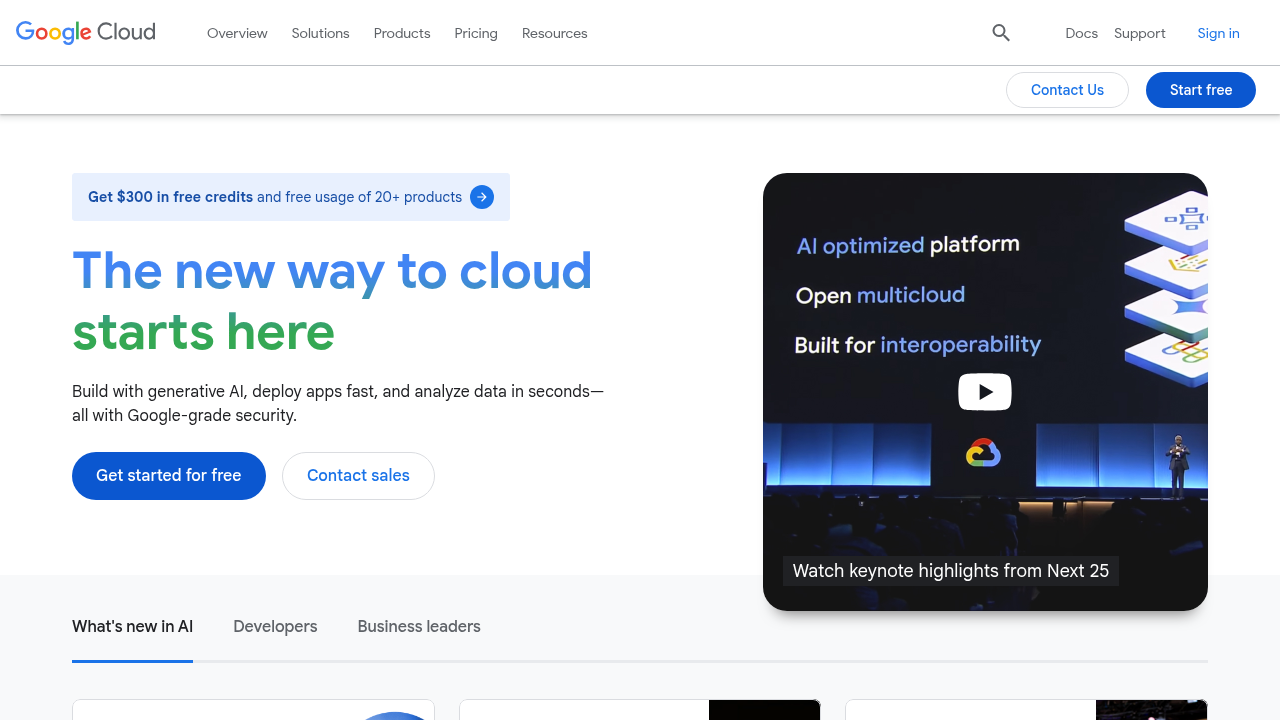
Google Cloud AI offers a variety of capabilities, including advanced translation services through its translation API, which supports multiple language pairs and incorporates neural machine translation. Users can take advantage of speech-to-text features to transcribe audio files into written text, while natural language processing enables sentiment analysis and content classification.
Organizations looking to enhance their operations can access pre-built models or create custom models tailoredto their specific needs, improving their applications and services. For instance, Vertex AI allows for fine-tuning machine learning models, providing a method for users to effectively apply their own data. Google Cloud also features unique tools such as DALL·E 3 for image generation and Video Intelligence, offering functions like detecting faces and landmarks in images.
Moreover, the seamless integration with automation services like Zapier helps users automate tasks smoothly, while chatbots can improve user interaction in applications. In addition, Google Cloud AI is noted for its user-friendly interface and flexibility, making it easier for teams to adopt AI products without extensive coding knowledge.
Whether for project management, content creation, or scheduling, Google Cloud AI provides organizations with tools to enhance productivity, stand out with design features like AI-generated logos, and streamline their outcomes with AI chatbots, ultimately positioning them for success in various markets.
Microsoft Azure Cognitive Services

Microsoft Azure Cognitive Services provides a variety of features that attract developers. It offers APIs for translation, speech-to-text, and sentiment analysis, and supports various language pairs for neural machine translation. Developers can create custom models to improve functionalities, such as chatbots with natural language processing abilities.
This service also includes tools for content creation like DALL·E 3 and Midjourney for image generation, along with video tools such as Descript. Security measures are implemented to ensure that sensitive data processed through APIs is protected. Businesses can enhance customer engagement by using AI chatbots and personalized interactions, improving the overall experience. With free credits and monthly usage limits, companies can explore various capabilities, including audio file transcription, content classification, and landmark identification in images.
Azure’s offerings serve diverse needs, incorporating project management, scheduling, and advanced AI solutions like Vertex AI and Duet AI, assisting in optimizing operations across multiple sectors.
Notion AI
Notion AI offers features such as transcription, sentiment analysis, and text-to-speech to enhance productivity and organization. It can summarize notes, research, and meeting details, making information easier to manage. This tool integrates seamlessly with other Notion features, allowing users to automate tasks with AI chatbots and create custom models for workflows, all while using available free credits.
By accessing tools from the same ecosystem, users can engage in project management and scheduling features, improving task tracking. Compared to alternatives like Grammarly or Jasper, Notion AI stands out with its flexible interface and collaborative capabilities for content creation. It also enables users to experiment with neural machine translation and reference images, supporting multiple language pairs for those needing robust translation tools.
With the ability to detect faces and landmarks in images through integrations with applications like DALL·E 3 and Midjourney, NotionAI enhances creative projects.
Finally, its features for managing audio files and creating logos position it distinctly among free AI products, showcasing its versatility within the workspace.
AI Apps for Text Processing
QuillBot
QuillBot enhances the writing process by employing advanced machine learning algorithms to improve text quality through features like grammar checks, paraphrasing, and summarizing. This is particularly useful for students and professionals seeking to refine their writing. The platform has a user-friendly interface that allows users to easily adjust style and tone, offering customizable options for various writing needs.
Additionally, QuillBot distinguishes itself among AI tools by combining unique features such as a built-in plagiarism checker and sentiment analysis in text. It supports batch text processing, making it efficient for projects that require quick revisions. Unlike other applications like Grammarly or Jasper, QuillBot focuses on delivering a seamless user experience while incorporating flexibility in formatting and additional features that cater to diverse use cases.
This includes integration capabilities with platforms such as Zapier for automating workflows and enhancing productivity across tasks like content creation, project management, and scheduling. Users can even convert audio files into text and access the text-to-speech feature, improving accessibility and usability for different audiences.
Grammarly

Grammarly provides a range of features to improve writing quality, including grammar checks, spelling corrections, and recommendations for clearer language. Its AI technology leverages machine learning to deliver real-time feedback on tone and style, making it comparable to other text processing apps like ProWritingAid and Copy.ai regarding user experience.
With capabilities to analyze sentiments, detect faces, and identify explicit content, Grammarly uses natural language processing akin to advanced AI products like ChatGPT. Integration with productivity tools such as Zapier enables users to automate tasks, simplifying writing processes across various platforms, while its compatibility with Google Cloud projects, speech-to-text, and translation APIs offers strong support for different language pairs and custom models. Grammarly can also collaborate with audio files for transcription, enhancing content creation and project management.
Hemingway Editor

Hemingway Editor provides features that improve writing clarity and readability by analyzing text for complexity and suggesting simpler alternatives. It highlights long or complicated sentences, assisting writers in breaking them down for better understanding. The grading system assesses writing style by assigning a readability score, indicating the education level required to grasp the content easily. Writers can use this feedback to modify their writing for a broader audience.
Additionally, Hemingway Editor assists in simplifying content by pointing out adverbs and passive voice usage, promoting the use of active voice and straightforward language. This helps in crafting more engaging material for different readers. Furthermore, the tool’s accessibility aligns with other AI productivity tools, like transcription services and sentiment analysis, facilitating users in refining their writing across multiple platforms.
Writers can compare their drafts against more intricate AI-generated content from tools like Jasper or Copy.ai, ensuring clarity while preserving creative intent.
What are the best free AI tools for Translation?
Google Translate

Google Translate employs neural machine translation to address intricate phrases and idiomatic expressions across different languages. This approach enhances its understanding of context, resulting in more natural and precise translations. The platform accommodates a wide variety of language pairs and frequently incorporates new languages driven by user interest and advancements in machine learning, providing a thorough translation API that serves multiple linguistic needs.
To maintain accuracyand reliability, Google Translate incorporates AI products such as sentiment analysis and custom models that enhance its functions over time. Advanced features like speech-to-text and text-to-speech, combined with integration options for AI productivity tools, improve its effectiveness. By leveraging free credits through Google Cloud, users can tap into powerful features, facilitating tasks such as transcription and content generation.
The tool also supports batch text processing and has the capability to identify landmarks or faces, contributing to comprehensive translations. Other platforms, including Jasper and Copy.ai, offer additional resources, while applications like Grammarly and ProWritingAid assist in enhancing writing quality. For graphic content, DALL·E 3 and Midjourney enable the creation of reference images, positioning Google Translate as a useful asset in creative endeavors.
DeepL Translator

This translation tool excels with features that enhance usability and accuracy, making it a preferred choice among users. It offers machine learning-driven translations that focus on context instead of mere word-for-word conversions, ensuring that meanings are preserved. Its support for multiple language pairs allows for easy communication across different cultures. To maximize accuracy, it employs neural machine translation, which includes sentiment analysis and checks for explicit content.
The platform also integrates features like text-to-speech, catering to those who prefer audio files. Users benefit from advanced tools that handle batch text processing and include options for custom models, allowing personalization for specific needs. With monthly limits on free credits, individuals can access its services without financial commitment. The integration with platforms such as Google Cloud and chatbots further enhances its functionality.
By incorporating advanced AI products, users can also detect faces and landmarks in accompanying images, enriching the translation context.
Microsoft Translator
Microsoft Translator is notable among free translation tools because of its neural machine translation technology, which improves accuracy across many language pairs. It supports a broad variety of languages and offers features such as sentiment analysis, text-to-speech, and audio file translations. For businesses, it provides custom models and integration with AI products like chatbots and the natural language API, ensuring smooth communication.
Users can take advantage of batch text translation and the capability to detect faces and landmarks in images with machine learning support. Moreover, it works with applications like Microsoft Office and various project management tools, promoting effective content creation and streamlining workflows. Free credits allow exploration of its functionalities. Additional services, including speech-to-text and transcription, improve the user experience, facilitating efficient multilingual communication for individuals and organizations.
Microsoft Translator can also complement tools like Grammarly, Jasper, and Copy.ai for tasks such as generating logos and managing content properties in dynamic workspaces.
AI Tools for Image and Video Analysis
Google Vision API
The Google Vision API offers robust image analysis features, enabling users to detect faces, landmarks, and explicit content in images. It includes tools for content classification and analyzing reference images, which can help businesses streamline workflows in project management and content creation.
By seamlessly integrating with other Google Cloud services, the API enhances its features with offerings like speech-to-text and natural language processing, enabling sophisticated machine learning applications. Supported data formats include common image types, allowing for easy analysis of photos and audio files. The API is compatible with images generated by popular tools, such as Stable Diffusion and Midjourney, providing flexibility in content creation. Developers can experiment with its features using free credits from the Google Cloud platform, accessing additional tools like translation APIs for multiple language pairs.
This integration supports AI chatbot development, enhancingtheir effectiveness in areas such as customer service and educational resources.
IBM Watson Visual Recognition
IBM Watson Visual Recognition offers features for detecting faces, identifying landmarks, and classifying explicit content within images. Businesses can apply this tool to analyze logos and reference images, which improves content classification. It uses machine learning techniques to enhance its models continuously, employing natural language APIs for better image recognition over time.
By integrating this technology, companies can streamline workflows, automate sentiment analysis, and incorporate AI productivity tools for tasks like project management and content creation. The tool connects with applications like chatbots and other AI products, such as transcription and speech-to-text features. With free credits available and various monthly limits, businesses can experiment with functions that include batch text processing and language translation.
Such integration supports improved scheduling, content creation efforts, and even game development through innovative uses of AI tools like Jasper, Copy.ai, and Descript, while capabilities like DALL·E 3 and Stable Diffusion boost creative outputs.
Free AI Tools for Audio Transcription
Otter.ai

Otter.ai improves productivity with its audio transcription features by converting speech into written text quickly and accurately. This tool is particularly useful for meetings, lectures, and interviews, allowing users to concentrate on the discussion rather than taking notes. Unique advantages include its integration capabilities with platforms like Google Cloud and Microsoft tools, creating smooth workflows. Users can combine Otter.
ai with transcription services such as speech-to-text, simplifying audio file management and improving note-taking accuracy. By incorporating features like sentiment analysis and natural language processing, it can even recognize emotions during conversations. In terms of collaboration, Otter.ai supports real-time sharing and editing, which is enhanced when combined with productivity tools like Zapier, resulting in an efficient project management system. Users can also engage AI chatbots for better interaction and workflow enhancement.
Additionally, the ability to generate reference images and logos through integrations with tools like DALL·E 3 and Midjourney adds creative touches to projects. These features together contribute to a streamlined and efficient workspace.
Sonix

Sonix stands out among free AI tools for audio transcription due to its ability to handle multiple language pairs and its integration with advanced machine learning algorithms. Users benefit from features like sentiment analysis and text-to-speech options, which enhance transcription quality. The service ensures accuracy and reliability by incorporating the natural language API and employing custom models that adapt to various contexts.
To maximize productivity, users can take advantage of the platform’s batch text capabilities, allowing them to process multiple audio files at once and schedule their transcription tasks efficiently.
Additionally, Sonix supports text editing and collaboration, making it easier to finalize documents, a feature mirrored in AI productivity tools like Descript and Grammarly. As users create content, they can switch to tools like Jasper or use the translation API for multilingual support, further improving their workflows. By incorporating AI chatbots or connecting with Zapier, users can automate routine tasks, allowing for a streamlined approach to project management in their workspaces.
AI Apps for Detecting Faces and Landmarks
Face++

Face++ employs advanced facial recognition technology to enhance security and user experience in applications by allowing accurate detection of faces and landmarks. Through machine learning algorithms, this tool identifies individuals, even in complex environments. Its features include sentiment analysis to gauge user emotions and the ability to detect explicit content, improving content moderation.
Developers can integrate Face++ with their applications using APIs, enabling functionalities such as biometric analysis and user tracking. This integration can be further streamlined with automation tools like Zapier, allowing for tasks like scheduling and content creation to run smoothly. With monthly limits on usage, developers can access AI products efficiently.
Additionally, Face++ supports various language pairs for translations through its translation API, catering to a global audience. Compared to similar tools, it offers unique capabilities like custom models tailored for specific tasks, improving detection accuracy through training with unique datasets. Its use of neural machine translation aids in managing audio files and generating text-to-speech content, facilitating effective interaction with chatbots, as users can expect personalized service.
Amazon Rekognition

Amazon Rekognition enhances image and video analysis for developers and businesses through advanced machine learning algorithms. It automatically detects faces, recognizes celebrities, and identifies explicit content, making it highly useful for image moderation and content filtering applications. For tasks such as facial recognition and landmark detection, it employs neural machine translation for accurate image classification and offers features for detecting language pairs in video content.
The technology supports transcription services by converting audio files into written text seamlessly. Businesses can use Amazon Rekognition for security purposes, such as monitoring access points through facial recognition, and for analytics by assessing user engagement via sentiment analysis of captured video content. With the ability to generate custom models for specific needs, it supports content creation and project management streams, seamlessly integrating with AI productivity tools like chatbots.
Features like integration with text-to-speech capabilities and image reference provision enhance user experience in applications built on this platform.
Additionally, developers can work within free credits and monthly limits on relevant AI products through platforms like Google Cloud or Microsoft, making it accessible for varying requirements.
Insights from Free AI Tools
Google Analytics

Google Analytics assists businesses by offering insights into user behavior and website performance, enabling them to understand how visitors interact with their content. It can provide important metrics such as the number of page views, user sessions, and bounce rates, which help refine marketing strategies and improve campaign effectiveness.
Additionally, it supports various AI products, allowing for features like sentiment analysis and custom models to enhance data analysis. Integration with other tools, such as Zapier, can streamline workflows by connecting Google Analytics with chatbots and project management solutions. This can facilitate the extraction of data for further analysis, such as audio files to improve customer interactions or help in content creation using tools like Jasper and Copy.ai. Furthermore, it collaborates with services like Google Cloud for language pairs and translation through their translation API.
By analyzing properties like user demographics and behavior, businesses can tailor their content, detect faces and landmarks for marketing visuals, and manage scheduling effectively. With these insights and the capacity to handle monthly limits of AI tool usage, companies can maximize their performance across various channels.
Tableau Public
Tableau Public allows users to share and publish their data visualizations online by providing a platform for creating and displaying interactive dashboards. Users can upload their visualizations easily, broadening accessibility. This enables individuals to showcase their work, facilitating feedback and collaboration. The application includes numerous features such as drag-and-drop functions, customizable templates, and tools for creating visually appealing dashboards.
These elements enhance user experience, simplifying the design of engaging graphics that present data effectively.
Additionally, Tableau Public serves as a learning tool for developing data visualization skills by offering tutorials and community resources. Users can explore various projects created by others, improving their understanding of data representation and using features like sentiment analysis and translations to connect with diverse language pairs. This makes the platform beneficial for anyone eager to learn, including those experimenting with projects related to machine learning, audio files, or even game development.
What are the best free AI tools for Building Glossaries?
Trello with Butler Automation

Using Butler Automation in Trello can significantly enhance project management workflows. By setting up automated tasks, teams can streamline processes such as moving cards, assigning due dates, and sending reminders.
For example, when a card is moved to a specific list, an automated comment can remind team members to tackle the next steps, improving communication without manual effort.
Automated tasks can include creating custom rules like generating checklists whenever a card is created or sending notifications when deadlines approach. Teams may also configure actions based on triggers, such as when a card is marked complete or when attachments are added, boosting efficiency.
Additionally, Butler Automation helps reduce repetitive tasks, allowing teams to focus more on content creation and brainstorming. This means less time spent on updates and more time on significant projects. By automating processes tied to project management with this tool, users can manage tasks related to content classification and schedule meetings seamlessly. AI tools integrated into Trello, including chatbots and machine learning, enhance this experience further.
Batch Text Requests with AI Tools
AI tools efficiently manage various tasks when processing batch text requests, including translation between language pairs using neural machine translation, sentiment analysis of large text datasets, and audio file transcription. These tools streamline content creation by generating marketing copy with platforms like Jasper or Copy.ai, and aid in game development or project management with effective scheduling.
The integration of AI tools, such as chatbots and Google Cloud services, enhances accuracy and speed of requests compared to traditional manual processing. This is achieved through machine learning algorithms that detect faces and landmarks in images, generate text through text-to-speech technology, or analyze large datasets quickly. Batch text requests with AI tools are particularly advantageous in scenarios like marketing campaigns requiring rapid localization or sentiment analysis of user feedback.
Moreover, tools like Descript and Grammarly improve writing quality while keeping costs low by offering free credits and access to diverse functionalities, including creating logos or reference images with DALL·E 3 and Midjourney for creative projects. The effectiveness of these tools is evident in their ability to process complex tasks that often need precise coordination and speed, benefiting users like Paul J. Lipsky who leverage AI products to maximize productivity.